Forest Bathing, also known as shinrin-yoku, has evolved into a global wellness travel trend, reflecting a shift in how people engage with nature. Rather than visiting forests simply for sightseeing, travelers are increasingly drawn to them as natural spaces for physical and mental restoration. Originating in Japan, Forest Bathing has developed into a form of healing-oriented travel for those seeking a slower pace, deeper connection, and more authentic experiences in nature.
As travelers walk slowly beneath the forest canopy, listen to the sounds of the woods, and allow their senses to lead the way, the forest becomes the center of a quiet, immersive, and restorative journey.
The origins of Forest Bathing
Forest Bathing, or shinrin-yoku, emerged in Japan in the early 1980s as a health-focused approach rooted in the natural connection between people and forests. The term is often translated as “bathing in the forest atmosphere,” yet Forest Bathing does not emphasize physical exertion or conquering space. Instead, its core lies in being in the forest at a slow pace, taking time to observe and sense the surrounding environment. For example, light, scents, sounds, and the natural rhythm of the forest.
Forest Bathing was developed as a forest-based health care approach with the involvement and encouragement of forestry and medical institutions, rather than as a short-lived trend. Subsequent observations and studies have demonstrated that spending time in forests results in noticeable changes in both physiological and mental states. As a result, Forest Bathing has gradually been adopted by many people as a simple way to maintain balance. It requires no special skills, no high level of physical fitness, and allows flexible practice suited to each individual’s pace of life.
A beginner’s guide to Forest Bathing
Forest Bathing has now gained strong global recognition. The practice is widely applied in mental health care, stress recovery, and quality-of-life improvement programs. In many countries, Forest Bathing is incorporated into formal courses, immersive retreats, and therapeutic programs, guided by professionals who are systematically trained in physiology and psychology.
Alongside professionally guided programs, Forest Bathing can also be practiced independently at a basic level. For beginners, the key does not lie in complex techniques, but in a gentle, unhurried approach that respects the natural rhythm of both the body and the forest environment.
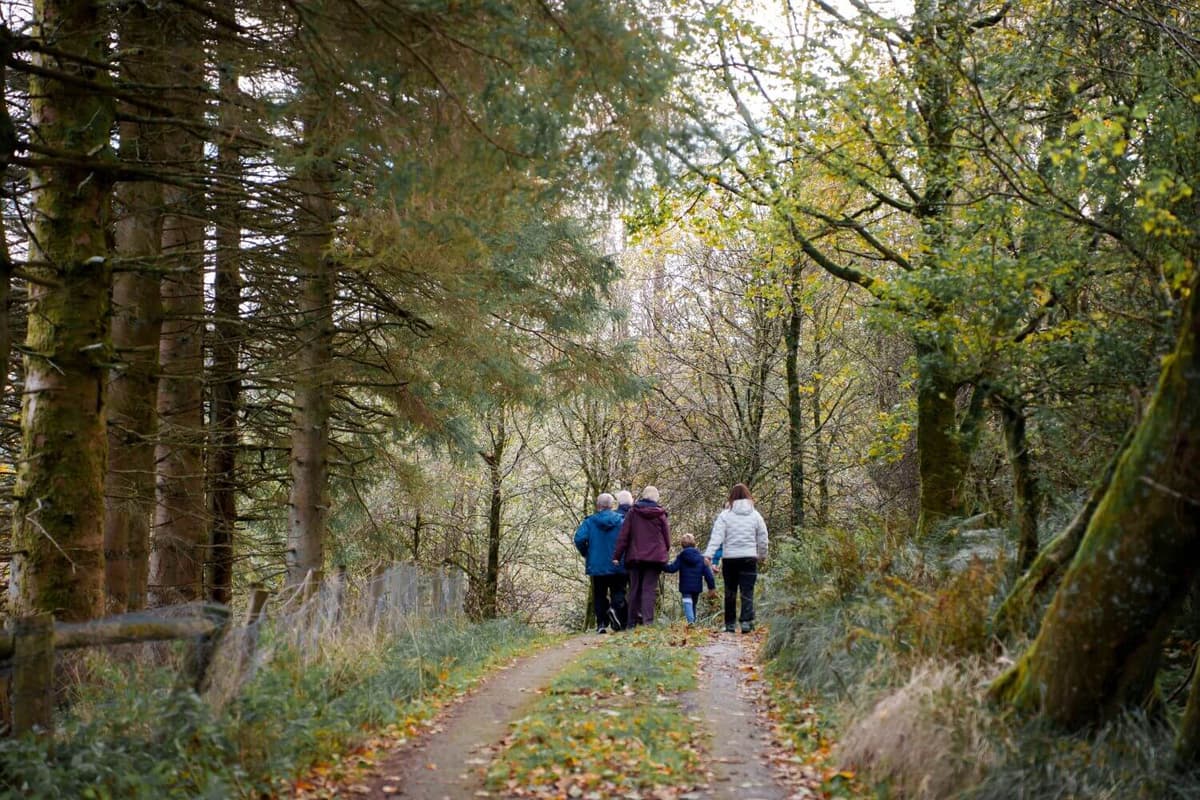
Below are basic Forest Bathing guidelines for beginners
Step 1: Step away from technology and enter green spaces
Before beginning a Forest Bathing session, participants are encouraged to turn off their phones or set them to silent mode. This practice does not promote taking photos or making notes; instead, it emphasizes full presence in nature. The chosen setting may be a forest, a tree-filled park, a quiet garden, or a nearby ecological area. The space does not need to be remote or untouched, but it should be sufficiently separated to create a sense of stepping away from everyday life.
Step 2: Move slowly, without setting goals
In Forest Bathing, movement is not intended to reach a specific destination. Practitioners walk slowly beneath the forest canopy, allowing their bodies to naturally adjust to their own pace. When needed, pausing, sitting down, or leaning against a tree are all natural parts of the experience, rather than interruptions.
Step 3: Let the senses guide the experience
At this stage, attention shifts from thinking to sensing. Light filtering through the canopy, the sounds of wind and birds, the scent of damp earth, or the cool, fresh air become the guides of the experience. In Forest Bathing, the value of the journey lies not in the distance covered, but in the depth of connection with nature in each moment.
Step 4: Allow time for stillness
Once the pace has slowed sufficiently, practitioners are encouraged to spend time being still within the forest environment. This does not require the application of any specific meditation techniques, but rather gentle attention to the breath and bodily sensations. A typical session is often suggested to last around two hours, though the duration can be flexibly adjusted based on individual conditions and personal comfort.
Step 5: Maintain regular practice
Forest Bathing tends to be more effective when practiced consistently. Returning to the same familiar green space allows the body to gradually develop a natural state of relaxation and helps maintain balance in everyday life.
The benefits of Forest Bathing for human health
Forest Bathing offers holistic benefits for physical, mental, and emotional well-being through mindful contact with the forest environment. The practice helps the body shift into a natural state of relaxation, supports nervous system regulation, improves mood, enhances concentration, and promotes mental recovery after prolonged cognitive effort. Time spent in forests has also been shown to have positive effects on the immune system, sleep quality, and emotional stability.
Beyond individual benefits, Forest Bathing also helps raise awareness of the role of forests and ecosystems in supporting human health. When forests are viewed not merely as landscapes but as natural therapeutic spaces, the relationship between people and nature becomes more profound. As a result, sustainable lifestyles that respect and protect the environment are more strongly encouraged.
Forest bathing and its growing presence in wellness tourism
Alongside the growth of wellness tourism, Forest Bathing is increasingly integrated into retreats, eco-resorts, and wellness tour programs across Japan, Europe, and North America. Forest Bathing experiences are often designed as part of a broader retreat journey. This uses forest settings and a slower pace of living to support both physical and mental restoration.
Many travelers choose Forest Bathing as a form of in-depth nature experience that prioritizes quality of time and long-term health benefits. This practice aligns well with the trend toward personalization in wellness tourism, where each experience is tailored to the needs and conditions of the participant.
This trend is also closely connected to sustainable tourism and the Leave No Trace philosophy. Forest Bathing encourages travelers to enter forest environments with respect, minimize their impact, and help preserve natural ecosystems. As a result, forests are not only places for experience, but also become a core element of both health-focused journeys and nature conservation within modern tourism.
Vietnam is an ideal destination for Forest Bathing
Vietnam’s forests are distinctly characterized by tropical ecosystems, featuring rich vegetation, natural layered structures, and a humid tropical climate. Forests and mountainous landscapes extend across the country from north to south. This allows Forest Bathing to be practiced without being confined to a single destination. Travelers can easily integrate this experience into a wide range of journeys, from extended retreats to short trips focused on physical and mental recovery.
In addition to natural conditions, Vietnam’s tourism environment also supports Forest Bathing experiences. Accommodation, services, and daily expenses are generally accessible, while travel times between destinations remain relatively flexible. Travelers can devote more time to meaningful forest-based experiences.
Notable Forest Bathing destinations in Vietnam
Forest Bathing in Phong Nha – Ke Bang National Park
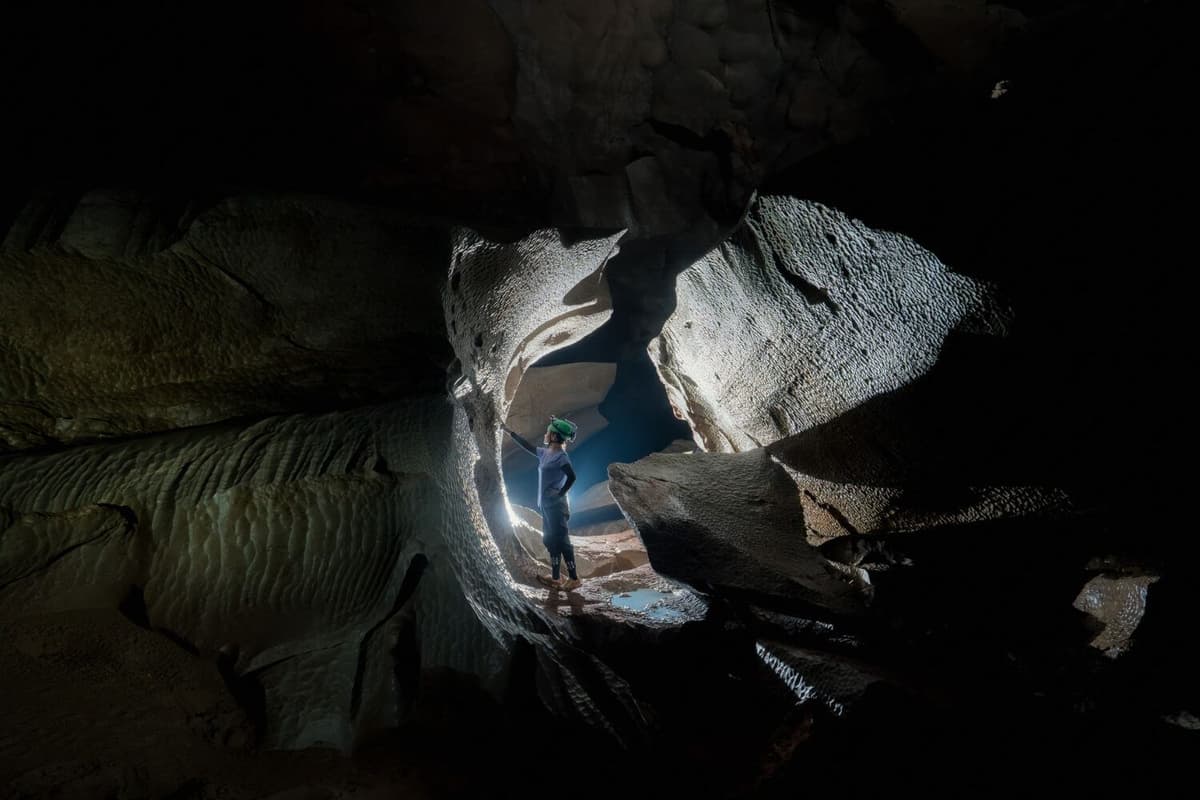
Phong Nha – Ke Bang stands out for its rare combination of primary forests, a system of more than 400 caves, and well-developed tourism infrastructure. Travelers can practice Forest Bathing independently at the Phong Nha Botanical Garden or stay at nature-oriented retreats such as Blue Diamond Retreat to maintain a slow, restorative pace of travel.
Recreational and adventure activities such as Mooc Spring, Chay River – Dark Cave, Ozo Park, and cave expedition tours operated by Oxalis Adventure help create a balanced and diverse journey. These options are well-suited to travelers who appreciate nature but do not wish to limit themselves to a single style of travel.
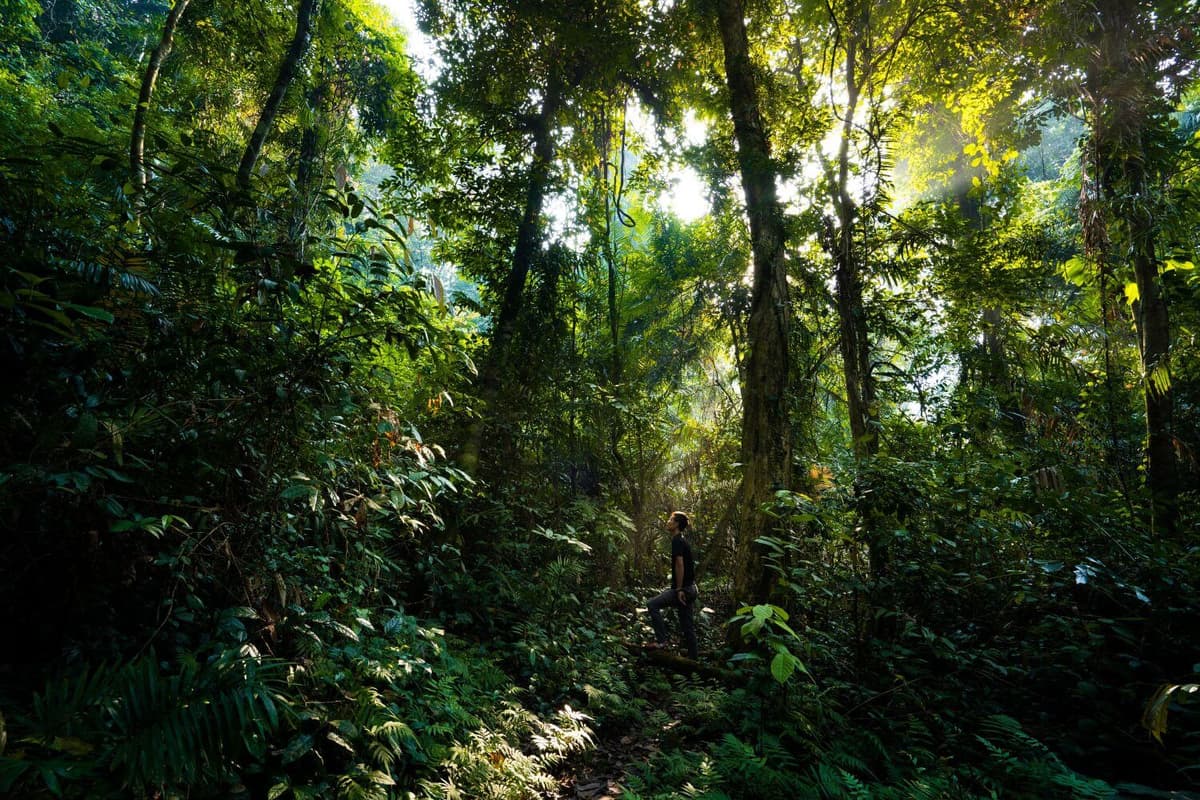
Forest Bathing in Cat Tien National Park
Located about 150 km from Ho Chi Minh City, Cat Tien National Park is an ideal Forest Bathing destination for short trips. The experience is defined by old-growth forests featuring centuries-old trees such as Tung, Go, and Bang Lang, along with rich wildlife. Travelers can walk slowly through the forest, observe the ecosystem, camp, or stay overnight to fully experience the slow rhythm of southern Vietnam’s tropical forest.
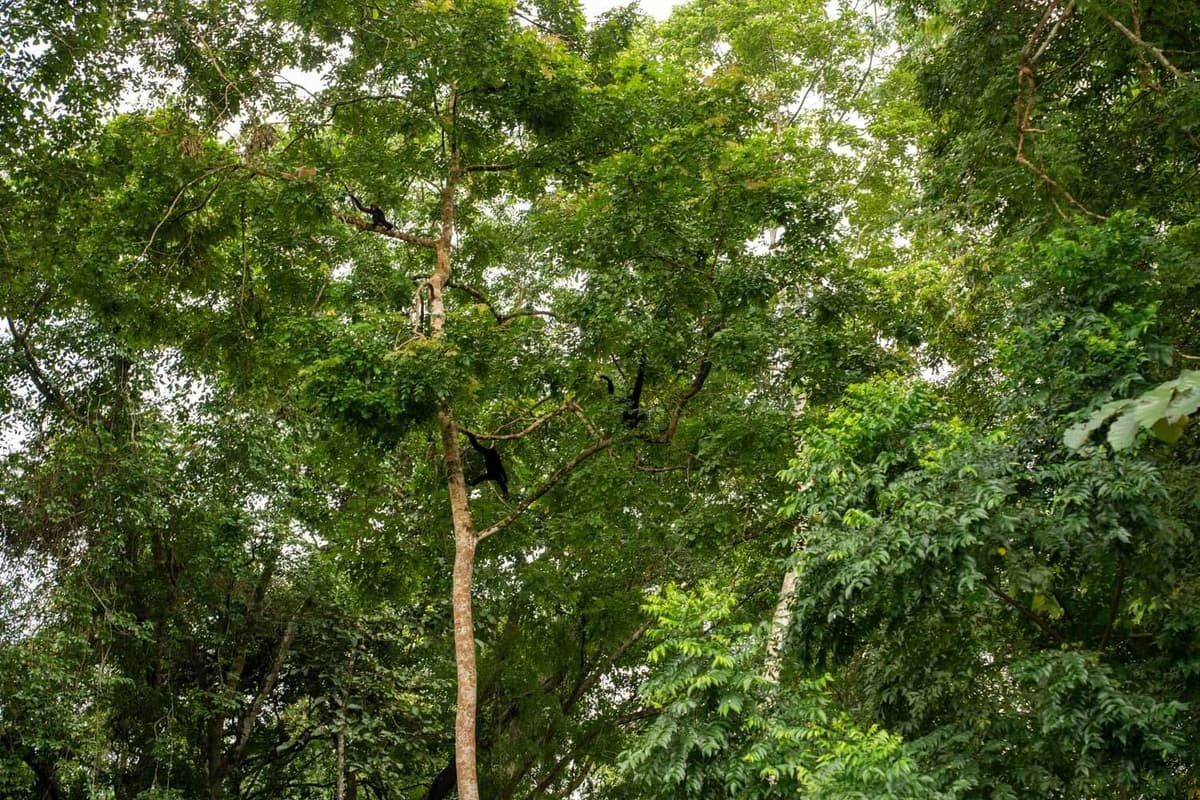
Forest Bathing in Hoang Lien National Park
Situated within the Hoang Lien Son range, this forest offers a distinctive Forest Bathing experience shaped by its high elevation, year-round cool climate, and misty woodland landscapes. Travelers can walk slowly through moss forests, bamboo groves, and coniferous forests, while combining the experience with stays at lodges or retreats located along the forest edge.
Hoang Lien is well-suited for those seeking seclusion, tranquility, and the opportunity to disconnect and recharge their energy amid Vietnam’s Northwest natural setting.
Forest Bathing in Pu Luong
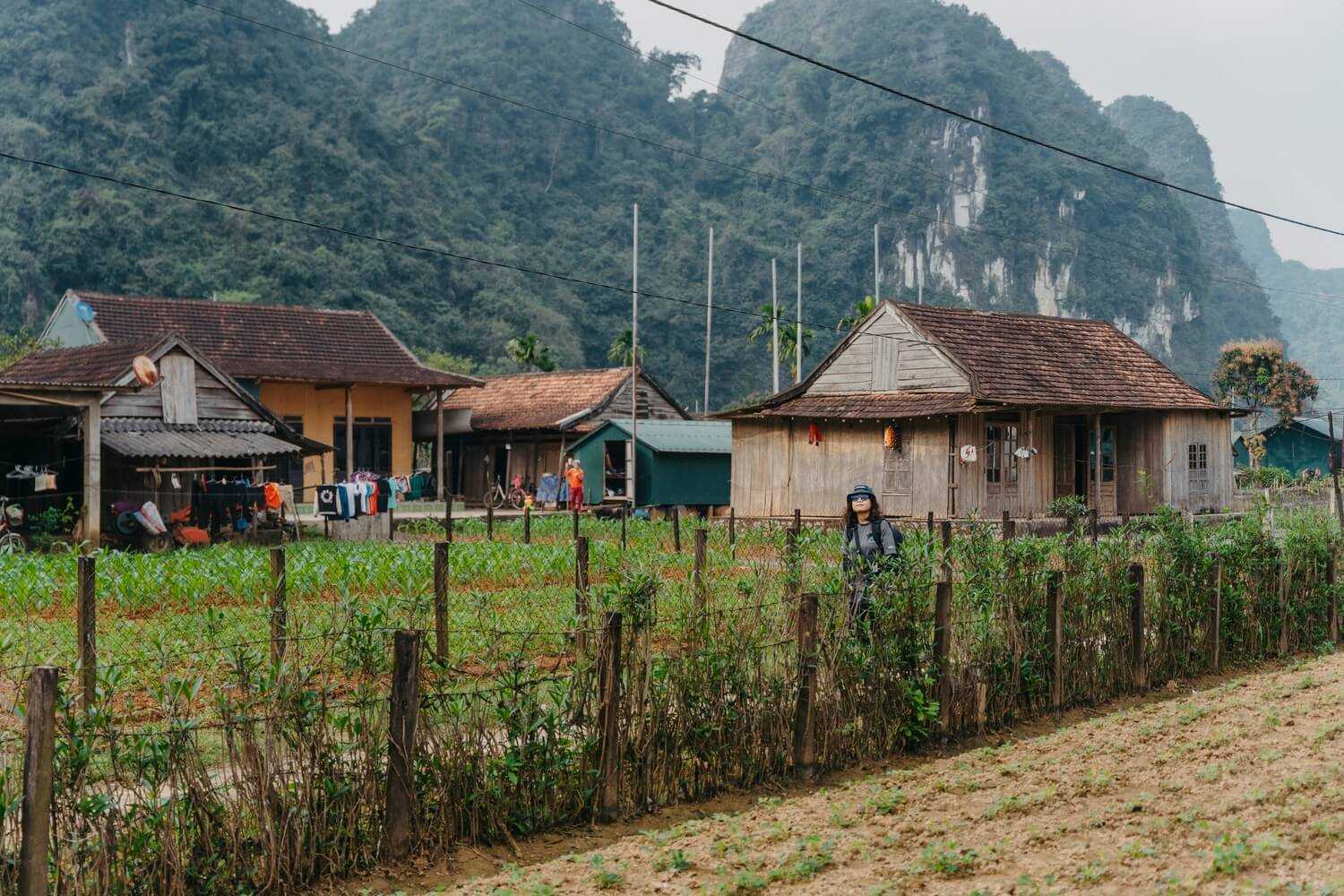
Pu Luong leaves a strong impression through the harmony of tropical forests, deep valleys, and terraced rice fields. Forest Bathing experiences here are often associated with gentle walks along mountain slopes, forest trails, and the quiet surroundings of Thai and Muong villages. Forest Bathing in Pu Luong offers a naturally relaxing experience, well-suited for travelers seeking to combine leisure, scenery, and local culture within a slow and unhurried pace.
Forest Bathing in Bach Ma National Park
Bach Ma National Park is distinguished by its coastal highland forest ecosystem, where tropical rainforests meet a cool climate throughout the year. Dense forest terrain, natural streams and waterfalls, and forest trails create ideal conditions for quiet, sensory-focused Forest Bathing experiences.
Travelers can walk slowly through the forest, pause by streams or waterfalls, or stay overnight within the primary forest to restore energy. Its proximity to Hue and Da Nang makes Bach Ma easy to incorporate into wellness and leisure journeys across central Vietnam.
Forest Bathing in Da Lat
Da Lat’s pine forests are among the most well-known retreat landscapes in Vietnam, closely associated with a year-round cool climate and distinctive highland scenery. Gently sloping terrain, open forest spaces, and soft natural light create ideal conditions for rest, leisurely walks, and light Forest Bathing experiences.
The presence of resorts and retreats integrated within pine forests makes Forest Bathing in Da Lat a suitable option for beginners or travelers seeking a slow-paced holiday that does not require high physical effort.
Blue Diamond Retreat: Forest Bathing and wellness retreat in the forest
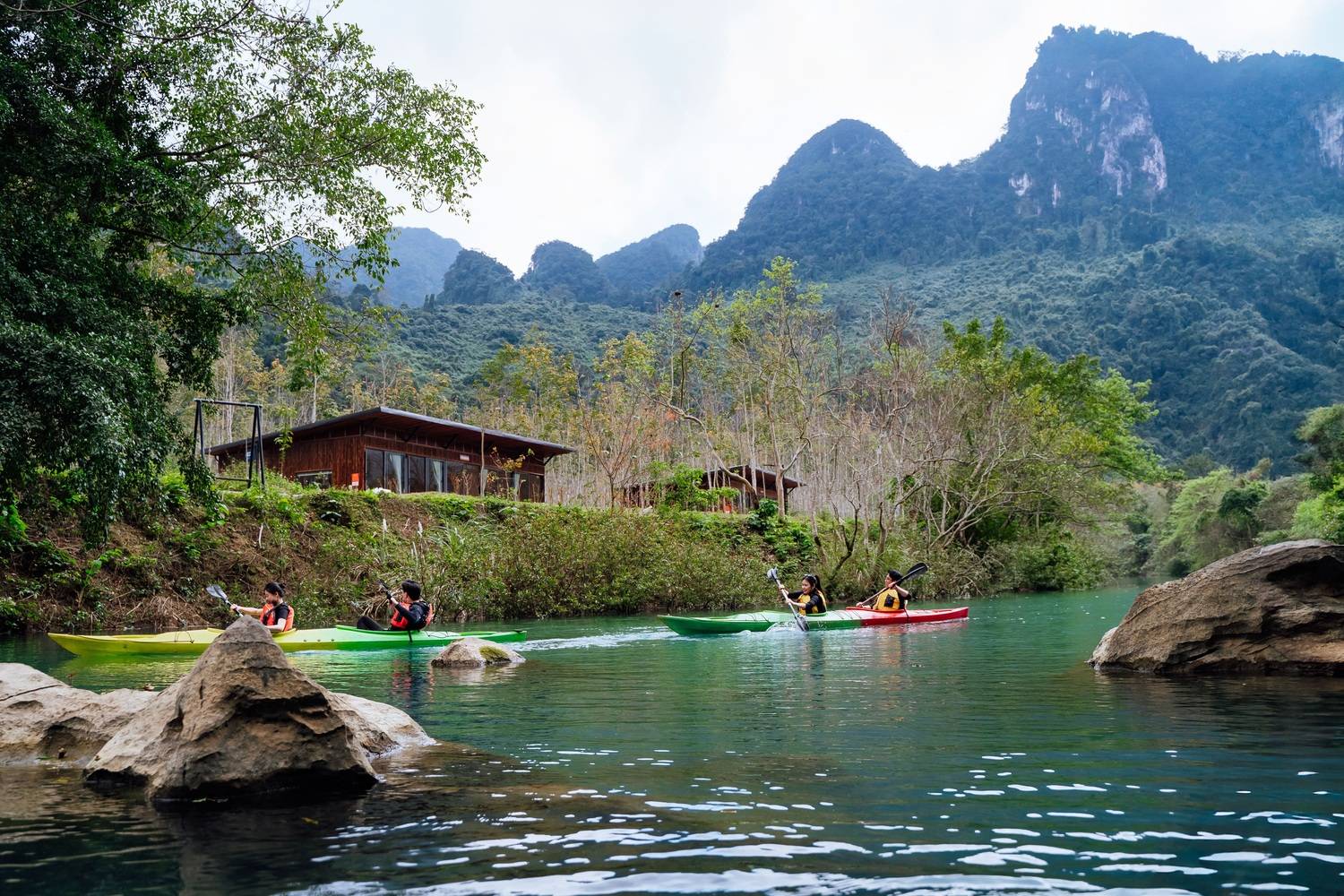
Blue Diamond Retreat in Phong Nha, Quang Tri Province, Vietnam is an ideal choice for those seeking an authentic Forest Bathing experience combined with wellness-focused accommodation. The retreat spans approximately five hectares of forest, situated alongside the clear Blue Stream, which creates a tranquil, secluded, and life-rich environment. Travelers stay in jungle bungalows set within the forest, waking up to sunlight filtering through the canopy and the slow rhythm of nature.
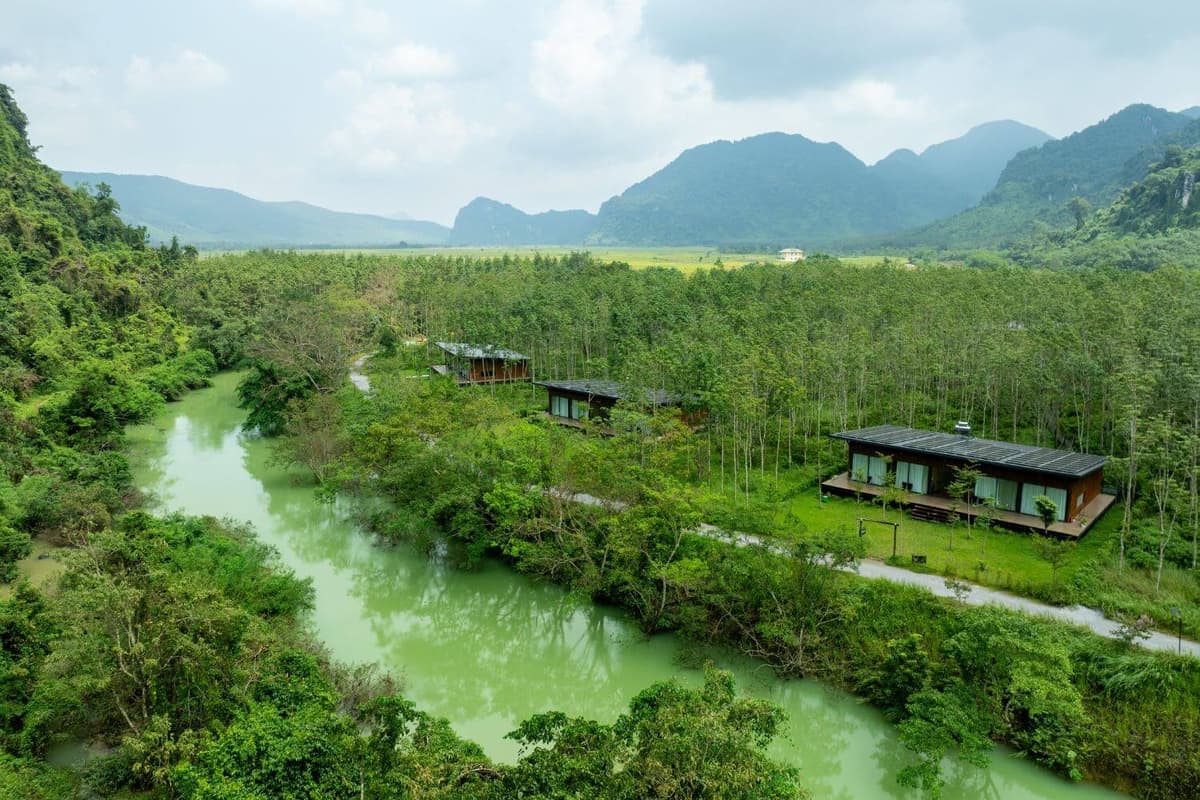
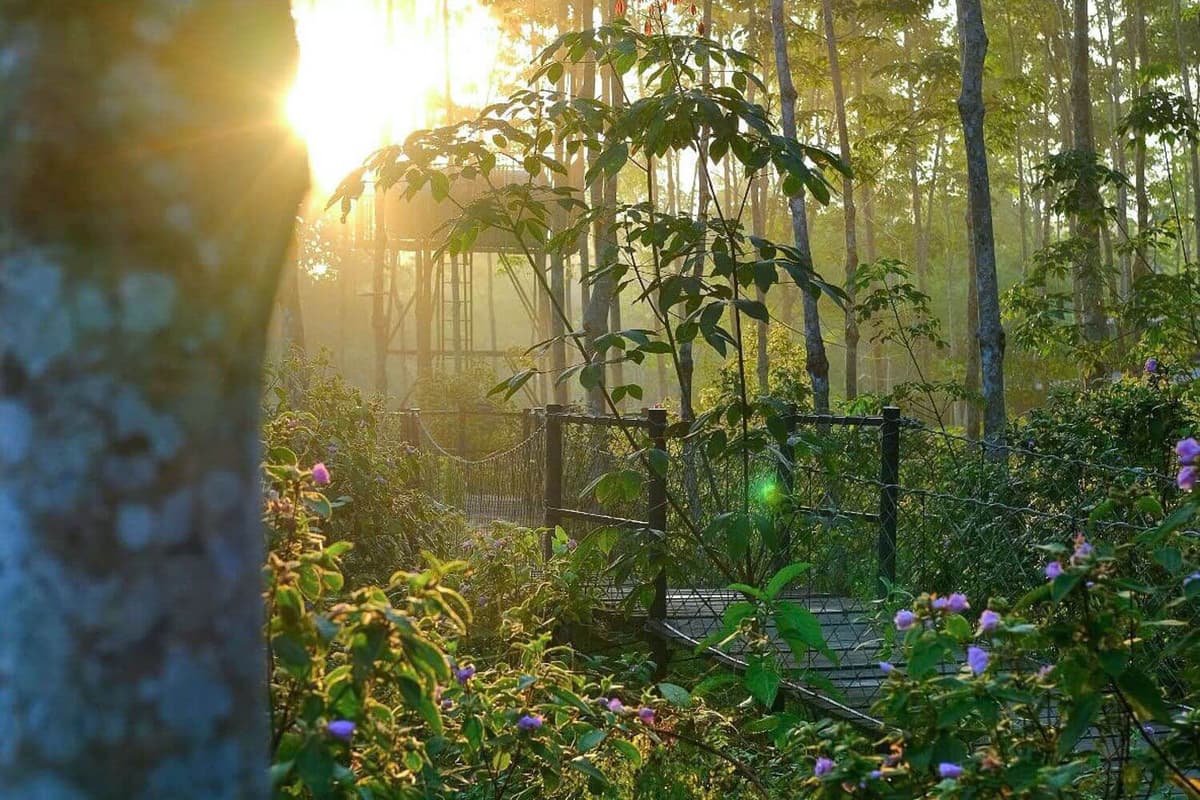
At Blue Diamond Retreat, Forest Bathing is not an “add-on” activity, but a continuous state throughout the stay. They can enjoy forest walks, cycling, kayaking, and night safaris to quiet moments dedicated simply to rest and recovery. The retreat is well-suited for journeys focused on slowing down, restoring energy, and fully embracing the values of forest-based wellness tourism.