Do you want to escape the crowded tourist hubs and see an authentic side of Vietnam? While popular cities offer incredible energy, the true soul of the country resides in its quiet rural landscapes. To highlight these hidden treasures, the United Nations Tourism organization launched a global initiative to recognize exceptional rural destinations.
This guide introduces the 5 best tourism villages by UN Tourism in Vietnam has to offer, each honored as a world’s best tourism village for its dedication to cultural preservation, community welfare, and eco-friendly development. Here is how you can explore these five incredible destinations to experience real rural Vietnam travel.
1. Thai Hai Village: A Living Museum of Ethnic Culture
Situated near Hanoi in Thai Nguyen province, Thai Hai eco village is incredibly accessible, located just about 70 kilometers north of the capital city. This proximity makes it an ideal destination for an immersive day trip or the perfect starting point for an extended journey through northeastern Vietnam.
Because there are no direct public bus routes that travel into the heart of the village, the most reliable transport option for international travelers is booking a private car or taking a local taxi from central Hanoi, which takes approximately two hours.
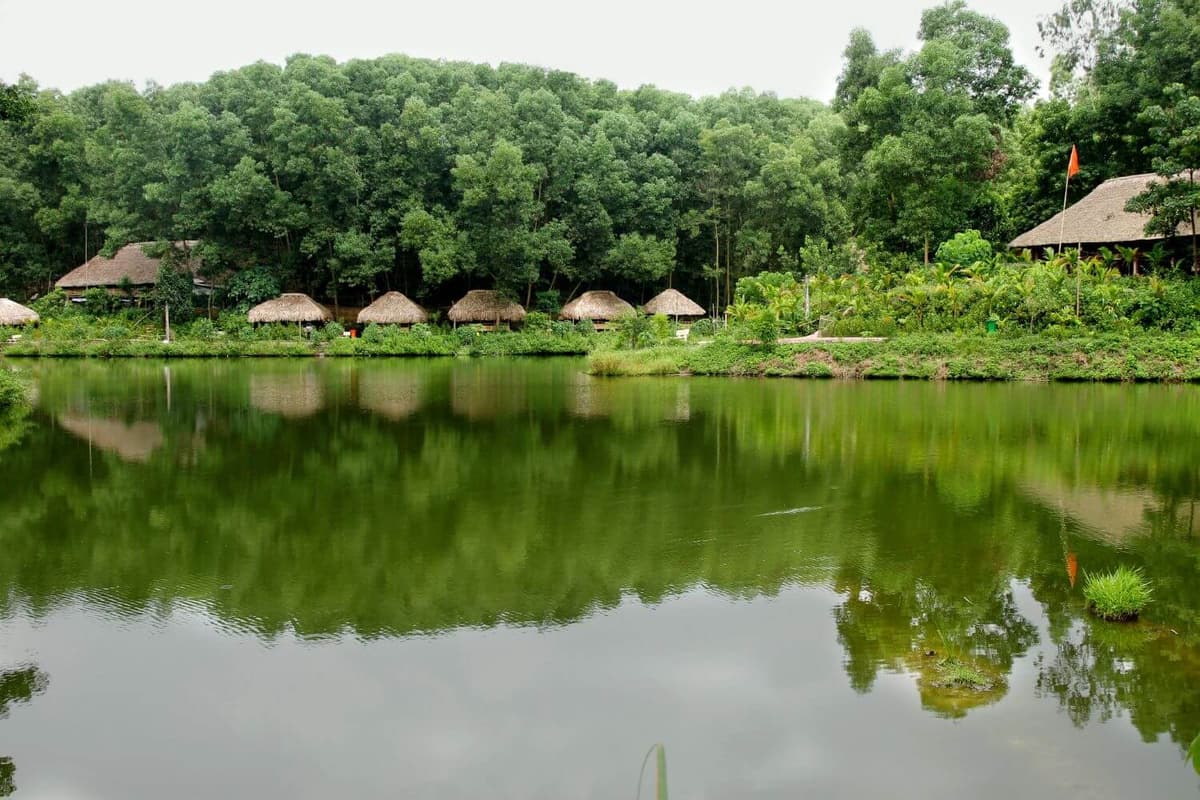
What makes this village extraordinary is its status as a fully functioning preservation area. In 2022, UN Tourism officially recognized Thai Hai as a world’s best tourism village due to its revolutionary community-based living model. The village serves as a sanctuary for ethnic minority groups, specifically the Tay people, who relocated and rebuilt more than 30 historic wooden stilt houses covered in traditional palm leaf thatch.
The community operates on a rare, completely communal philosophy where members live in total harmony, sharing daily labor, meals, and resources. Rather than creating a commercialized tourist show, the residents maintain their authentic ancestral lifestyle, cultivating organic crops, gathering wild medicinal herbs, and preserving ancient folksongs.
What can travelers do here?
- Discover the deep spiritual values of community life by directly interacting with the local families who speak their native tongue in daily conversations.
- Walk along the quiet stone pathways to inspect the structural layouts of traditional stilt houses and view the central hearths kept burning to honor ancestors.
- Taste the rich culinary heritage by dining on authentic local dishes such as khau nhuc, a meticulously slow cooked pork belly seasoned with native spices, alongside vibrant blocks of celebratory five color sticky rice.
- Listen to live performances of Then singing accompanied by the traditional Tinh lute, an artistic storytelling ritual recognized globally for its cultural significance.
Practical tips for Thai Hai Village
- Arrange your entry through a travel agency or pre book local accommodation, as independent walk ins might find it complex to navigate the closed community without an authorized local guide.
- Dress respectfully by keeping shoulders and knees covered when entering residential spaces or sacred communal areas out of respect for local spiritual traditions.
- Opt for a rustic overnight stay inside a communal stilt house to truly experience the peaceful environment after day trippers leave.
2. Tan Hoa Village: The Weather-Adaptive Village
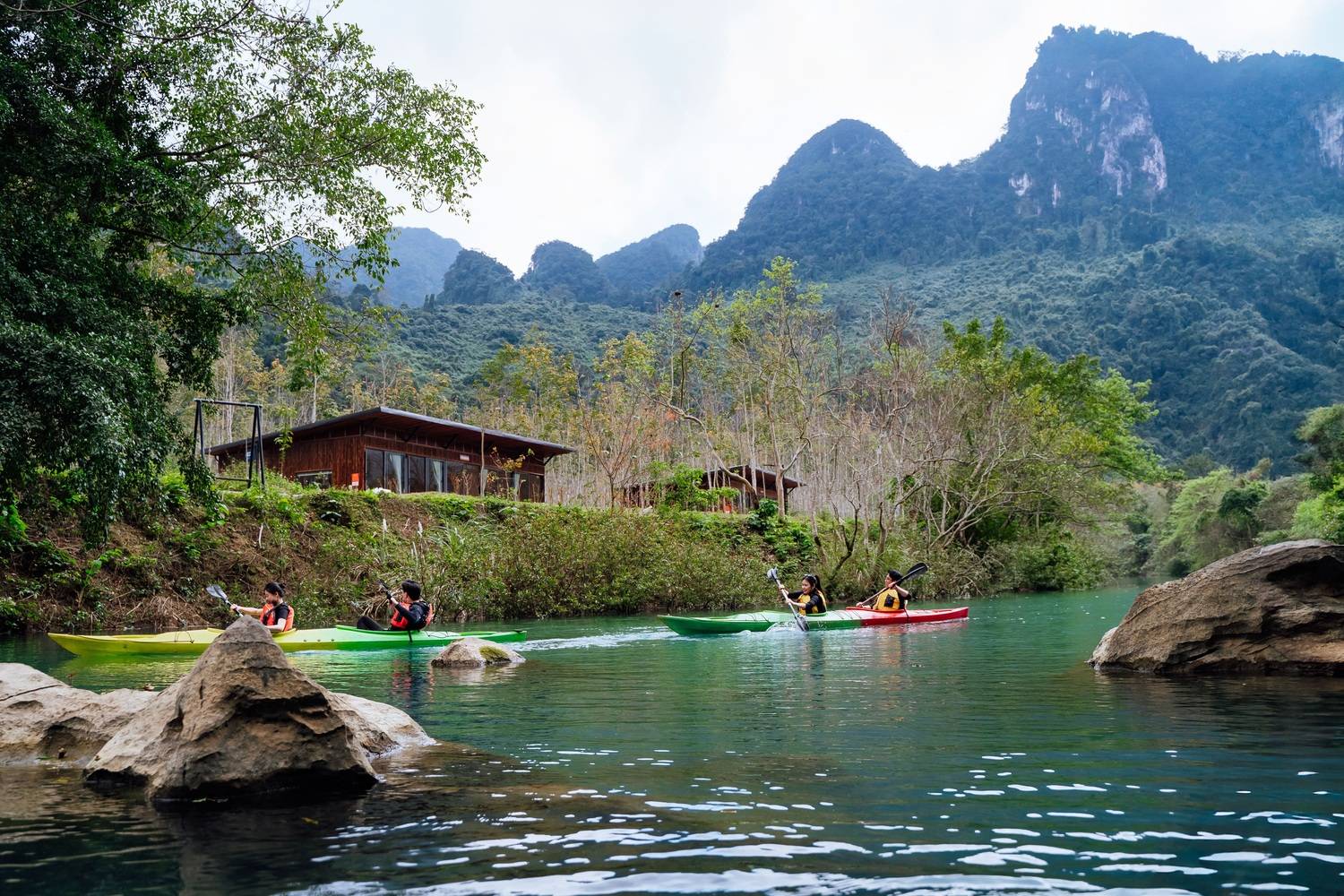
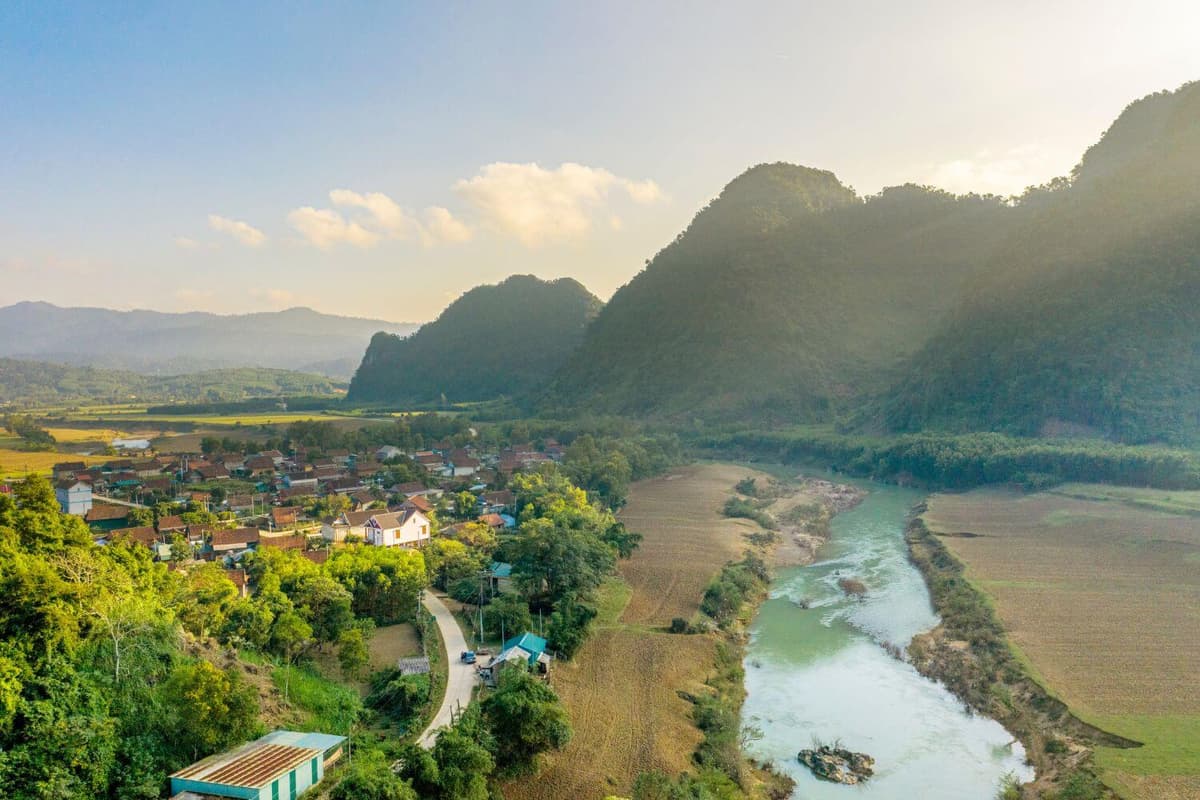
Tucked away in the limestone valleys of Tan Hoa, Tan Hoa village Phong Nha is located roughly 70 kilometers northwest of central Phong Nha in Quang Binh province. For adventurers, it is incredibly easy to add this destination to your itinerary immediately after completing a trek in the nearby world-famous Phong Nha-Ke Bang National Park.
To get here safely, it is highly recommended to arrange a private transfer or take an authorized shuttle bus directly from Dong Hoi airport or Phong Nha town. As the winding mountain passes can be challenging for drivers unfamiliar with rural traffic patterns.
Once known only as an isolated valley severely affected by seasonal monsoon flooding, Tan Hoa achieved international acclaim when it was awarded the title of world’s best tourism village in 2023. The community earned this honor through its brilliant, resilient adaptation to the natural environment.
Instead of fighting the annual rising waters, the locals developed a unique system of weather-adaptive floating houses. These structures feature lightweight plastic drum foundations that allow the entire home to rise safely on top of the floodwaters during the rainy season. This innovative spirit transformed Tan Hoa into a global model for sustainable, weather-resilient tourism.
What can travelers do here?
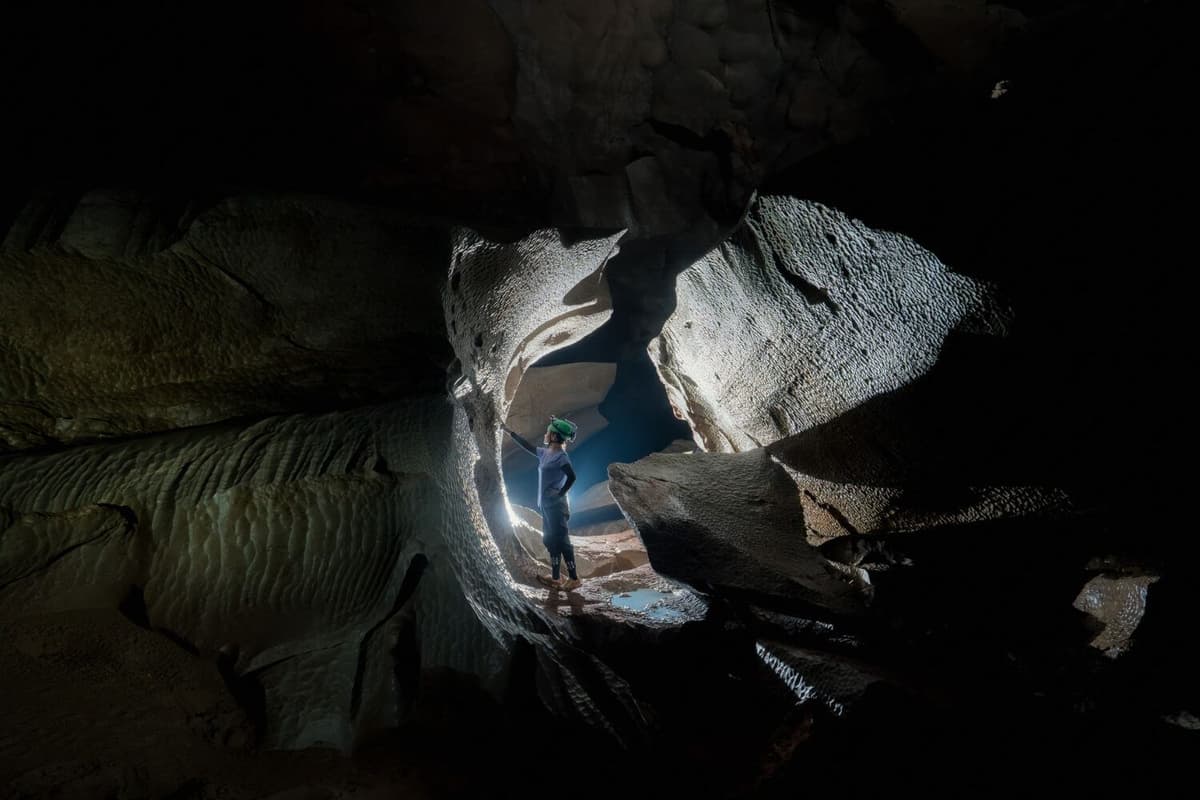
- Explore the untouched Tu Lan cave system by trekking through pristine karst valleys and swimming across spectacular underground rivers.
- Stay overnight in a weather-adaptive floating homestay or a hillside mountain bungalow at Tu Lan Lodge to witness rural life along the river.
- Join an authentic dinner directly at local family homes to enjoy regional specialties prepared by the indigenous Nguon people.
- Take a leisurely bicycle tour along quiet village lanes to admire scenic cornfields and learn about the local climate-resilient architecture.
Practical tips
- Coordinate your logistics directly with licensed local operators like Oxalis Adventure, who manage the eco-conscious Tú Làn Lodge and ensure proper safety standards.
- Do not miss out on tasting cơm Pồi, a traditional staple made from pounded corn and cassava flour, best paired with fresh stream fish and local mountain snails.
- The dry season from November to August is ideal for cave trekking, while the floating homestay experience during the rainy months offers an eye-opening look at local resilience.
3. Tra Que Vegetable Village: The Green Oasis
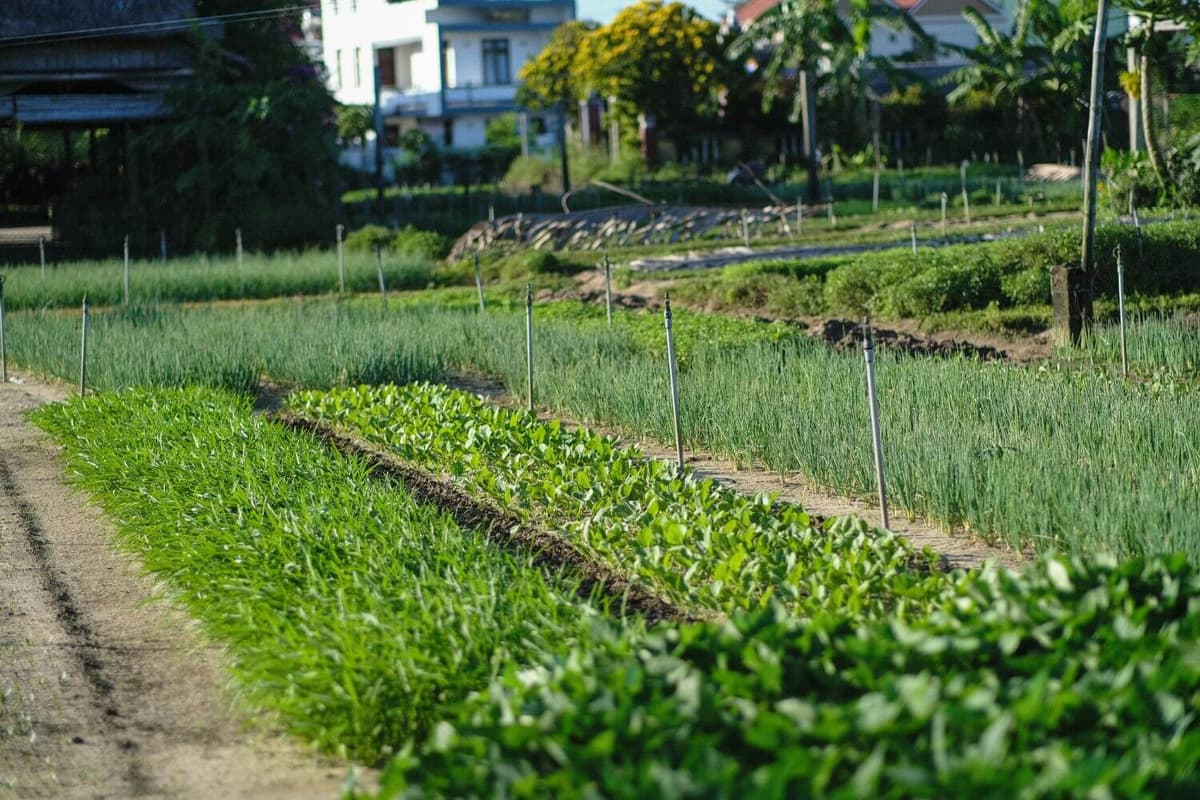
If you are looking for an easy, rewarding Hoi An day trip, Tra Que vegetable village is the ultimate destination. Located in Cam Ha commune, this lush agricultural sanctuary is situated just 3 kilometers north of the historic center of Hoi An Ancient Town in Quang Nam province. It is by far the most accessible rural village in the country. You can easily reach the gardens by borrowing a bicycle from your boutique hotel and taking a leisurely 15-minute ride through scenic paths, or by booking a quick, inexpensive ride using local ride-hailing apps.
Dating back over 400 years, Tra Que is a vibrant patchwork of organic gardens cultivated by generations of passionate farmers. In 2024, it proudly joined the ranks of the best tourism villages in Vietnam on the international stage after being vinh danh by UN Tourism.
The secret behind the village’s legendary, aromatic herbs lies in a fascinating piece of indigenous knowledge. Instead of using chemical fertilizers or modern machinery, the farmers walk to the nearby lagoon every morning to harvest specific river seaweed. This natural seaweed serves as a rich organic nutrient, giving the local mint, basil, and cilantro an incredibly intense, unforgettable flavor profile.
Tra Que stands out as an accessible destination for experiential travel. The open garden plots are arranged cleanly, welcoming visitors to step into the fields.
A classic Hoi An day trip to the village allows you to experience these hands-on activities:
- Putting on traditional brown farming garments and broad conical hats to work the fields.
- Learning the art of loosening sandy soil, planting delicate seedlings, and watering crops using twin tin buckets balanced across a split bamboo shoulder pole.
- Attending a farm-to-table garden cooking class to prepare local specialties.
- Making your own savory tam huu, a traditional dish consisting of sweet river shrimp and pork belly tied neatly together with blanched green onion ribbons.
- Enjoying a relaxing foot soak infused with lemongrass and ginger, followed by a glass of chilled, refreshing basil seed drink.
Practical tips
- Heavy motorized vehicles are banned on the narrow paths inside the agricultural zone to protect air quality and crop integrity.
- The journey is completely flat and scenic. Borrow a bicycle from your boutique lodging in Hoi An and enjoy a 15-minute ride through beautiful countryside paths, or take a short taxi ride to the main entrance parking area.
- Morning is the best time to visit to catch the farmers harvesting greens before the midday heat sets in.
4. Lo Lo Chai Village: A Fairy Tale in the Mountains
Perched at an elevation of nearly 1,470 meters in the northernmost frontier of the country, Lo Lo Chai homestay options sit directly at the base of the iconic Lung Cu National Flag Tower in Ha Giang province. This iconic destination is a highlight of the legendary Ha Giang loop villages route.
Because the mountain roads features dramatic cliff drops and tight hairpin turns, international travelers should avoid driving long distances independently unless they hold a valid motorcycle license and extensive experience. The safest, most responsible way to visit is to hire a registered “Easy Rider” guide to navigate the terrain or charter an authorized travelers vehicle from Ha Giang City.
Stepping into Lo Lo Chai feels like entering an ancient mountain fairy tale. This remarkable community was awarded the prestigious UN Tourism designation in 2025 for its flawless preservation of architectural and ethnic heritage.
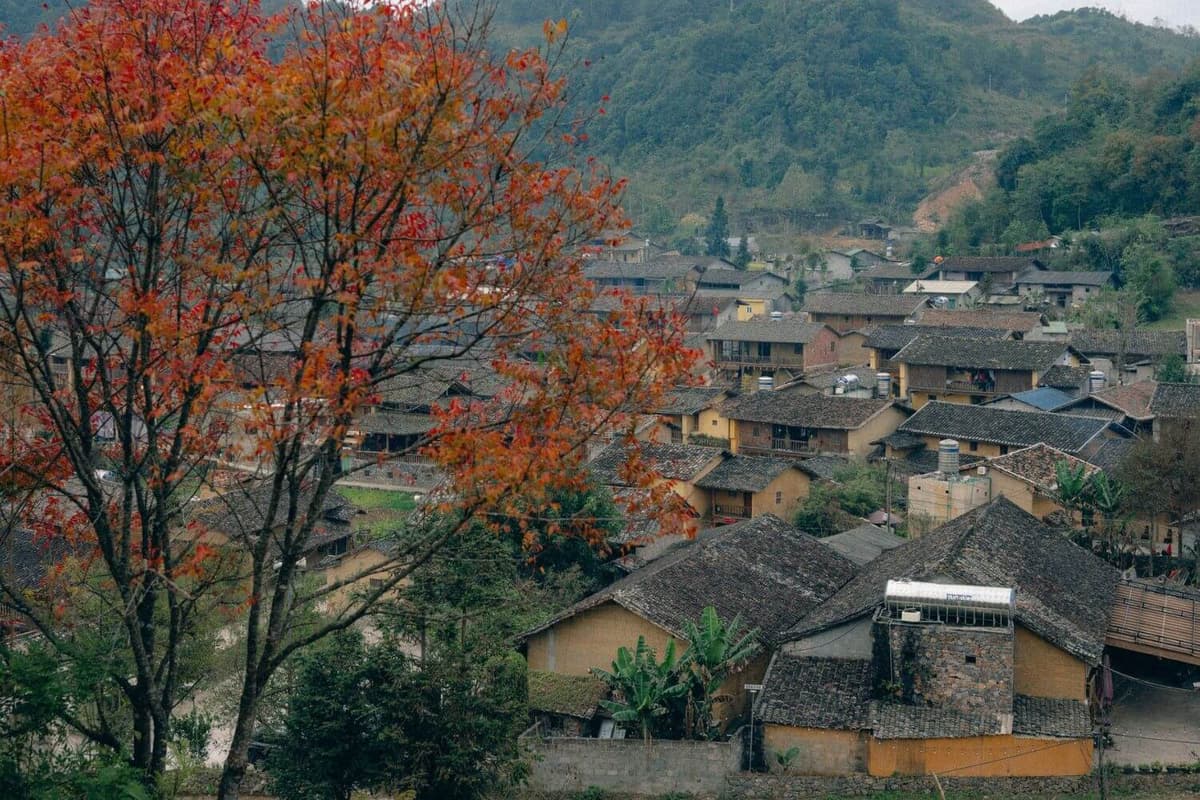
The village is famous for its classic rammed-earth houses, locally known as nhà trình tường. These historic homes are constructed by hand-pressing dense clay into thick, sturdy walls combined with intricate yin-yang clay tiles on the rooftops. This traditional engineering method creates a natural insulation system, keeping the interiors perfectly warm during frozen alpine winters and pleasantly cool during hot summer days.
The community consists primarily of the ethnic minority Lo Lo group. The residents take immense pride in maintaining their lifestyle, from their intricate architectural heritage to their stunning hand-embroidered clothing.
While staying in the village, travelers can participate in several cultural experiences:
- Renting vibrant ethnic costumes adorned with geometric patchwork designs and hand-woven borders for a stroll along the old stone stone walls.
- Walking through the terraced cornfields to learn about high-altitude rocky farming practices.
- Visiting the famous Cafe Cuc Bac, an old rammed-earth home converted into a cozy cafe, to sip hot drip coffee or thick local buckwheat tea.
- Gathering around an open hearth at night to enjoy a steaming local black chicken hotpot paired with fragrant corn wine fermented with forest leaves.
Practical tips
- Pack high-quality thermal clothing and windproof jackets, as temperatures drop drastically after sunset in this high-altitude alpine region.
- Warm up by gathering around a traditional hearth to enjoy a communal hotpot featuring black chicken paired with wild mountain greens and a small cup of local corn wine.
- Employ a professional licensed Easy Rider local guide from Ha Giang city to ride on the back of a motorbike, or book a private high-clearance vehicle with an experienced local driver.
- Restored earth homes like Lo Lo Ancient House provide authentic overnight stays featuring warm heavy blankets, clean hot showers, and panoramic mountain views.
5. Quynh Son Village: The Golden Valley
Nestled comfortably inside the breathtaking Bac Son Valley, Quynh Son village is located in Lang Son province, roughly 180 kilometers northeast of Hanoi. This scenic destination takes approximately 3,5 hours to reach from the capital city.
To avoid complicated public bus transfers that require multiple stops, the most efficient method for international travelers is to book a seat on a modern shared luxury limousine service departing directly from Hanoi to Bac Son town, followed by a short, inexpensive motorcycle taxi ride straight to the village entrance.
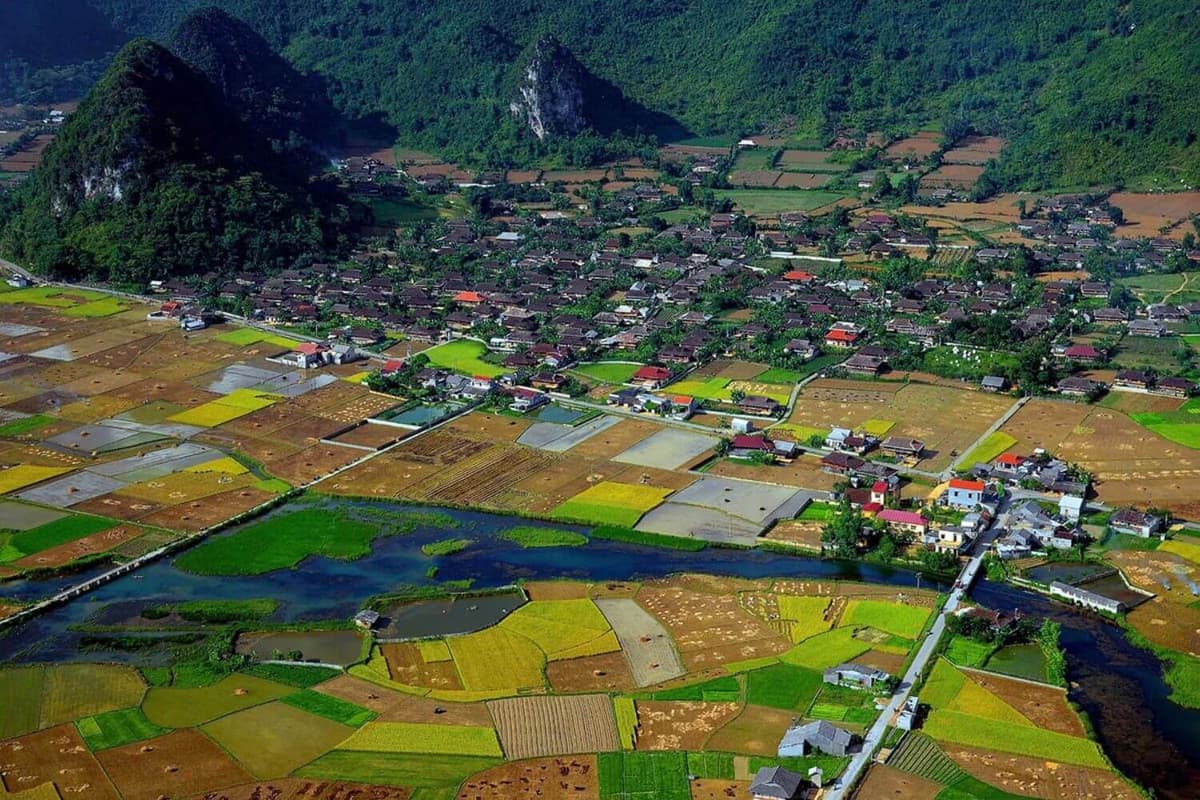
Surrounded by limestone peaks and endless fields of rice, Quynh Son is a classic example of successful, eco-conscious sustainable travel Vietnam initiatives. Honored by UN Tourism in 2025, the village stands out due to its harmonious spatial design.
The community consists of hundreds of traditional stilt houses belonging to the Tay people, all built to face the exact same southern direction to capture cool breezes and welcome good fortune according to ancient geomancy. The village is also home to a historic yin-yang clay tile workshop that has been operating continuously for over a century, preserving a unique roofing technique that symbolizes cosmic balance.
Travelers can look forward to these authentic local activities:
- Climbing up the steps of Na Lay mountain peak to take stunning photographs of the entire green or golden valley below.
- Visiting the old kilns to watch master artisans knead, mold, and bake raw clay into durable yin-yang roofing tiles.
- Walking through the village paths to see the uniform wooden architecture and learn about the local lifestyle.
- Learning to make regional delicacies, including square banh chung den colored naturally with wood ash, and tasting sweet Bac Son mandarin oranges plucked fresh from hillside orchards.
Practical tips
- Plan your visit around July or late October to witness the valley turn into a sea of brilliant gold during the peak rice harvest seasons.
- Indulge your tastebuds by sampling the locally grown sweet Bac Son tangerines and the distinctive black banh chung colored naturally with charcoal ash from specific forest trees.
- Stay in a traditional collective stilt house homestay where you can sleep on comfortable woven bamboo mats and enjoy home-cooked regional meals.
Why You Should Visit World’s Best Tourism Villages?
Choosing community-based tourism means your travel expenditure directly supports heritage preservation and family livelihoods. Traditional tourism occasionally funnels economic benefits away from local hosts, but these recognized locations operate on transparent benefit sharing models. A portion of entrance fees or activity costs directly rewards the artisans, farmers, and weavers keeping their heritages alive.
These destinations are living landscapes rather than static museums. The residents continue their generational occupations, allowing you to participate in genuine daily tasks. The natural topography remains pristine because sustainable travel Vietnam guidelines ensure that modern developments adapt to the environment rather than altering it.
Essential Survival Tips for Rural Vietnam
Navigating authentic villages in Vietnam requires shifting away from standard urban travel habits. Keep these essential tips in mind to ensure a smooth, rewarding journey:
Cash is king
- The vast majority of family-run homestays, roadside eateries, and craft workshops cannot process international credit card payments.
- Always carry an adequate supply of Vietnamese Dong cash bills when traveling away from major cities.
Communication tools
Outside of popular tourist locations like Tra Que and managed spots like Tan Hoa, language can be a barrier. Download a complete translation dictionary application for offline use so you can read signs and communicate basic needs to your hosts.
Cultural respect
Always ask for permission before taking close-up portraits of residents, particularly young children and tribal elders. Remove your footwear before stepping onto the wooden floorboards of a traditional stilt home, and avoid touching sacred central house pillars or family altars.
Plan Your Rural Heritage Journey
Exploring these five award-winning destinations reveals a side of the country that stays with you long after you return home. Which landscape matches your travel style? You can bicycle through the fragrant herb rows of Tra Que, trek across the floating valleys of Tan Hoa, or sit by an open fire in an earth home in Lo Lo Chai.
Connecting with these communities directly funds sustainable development and ensures that these exceptional heritages endure for generations to come. Prepare your gear, secure your transportation, and step into the incredible beauty of rural Vietnam.