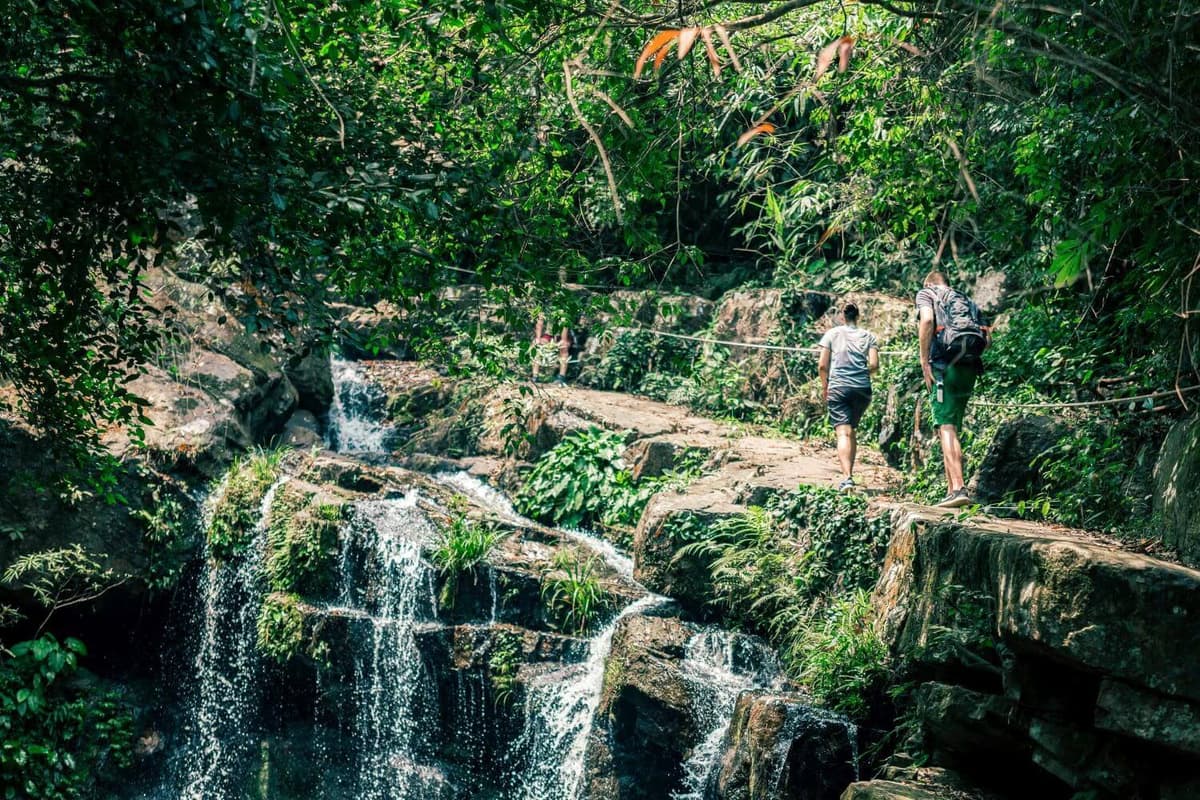
Phong Nha is home to some of the world’s most magnificent limestone cave wonders. The region is famous for its world-class expeditions, offering once-in-a-lifetime journeys into legendary caves like Son Doong, Hang En, and Tu Lan. Coming here means diving into a true wilderness experience. You will find yourself trekking through dense jungles, navigating rugged limestone terrains, wading across river streams, and heading deep into spectacular cave systems.
To fully enjoy the trip and stay safe and comfortable throughout the journey, you need to prepare a Phong Nha packing list. While your tour operator will provide the necessary safety equipment, you still need to carefully prepare your own cave trekking gear. Here is a practical guide to help you know what to pack for Phong Nha Ke Bang National Park trip.
What to Pack for a Phong Nha Trip
Think of this as your adventure travel checklist for exploring Phong Nha’s caves, jungles, rivers, and trekking routes.
1. Hiking or Trekking Shoes
When deciding what to pack for phong nha, a solid pair of hiking or trekking shoes must be at the absolute top of your list. Standard sneakers simply will not survive or keep you safe on these demanding trails. The region’s unique terrain throws everything at you, from razor-sharp “cat-ear” limestone formations and thick jungle mud to slippery river boulders, often requiring you to scramble over massive rock walls just to reach a cave entrance.
Therefore, any reliable phong nha packing list will emphasize footwear built specifically for grip, stability, and protection. You will want to look for shoes featuring deep lugs for heavy traction on wet surfaces, a reinforced toe cap to shield your toes from harsh rock impacts, and quick-drying materials since your feet will inevitably get wet during stream crossings. Ensuring your footwear matches these rugged conditions is the most critical step in completing your phong nha essential packing list.
Beyond finding the right pair, always make sure your shoes are well broken in before heading out on a multi-day expedition. Most importantly, inspect the shoe glue. If your boots have been sitting in a closet for months or years, the adhesive holding the soles together can dry out and degrade over time. Phong Nha’s intense humidity and punishing terrain will easily cause old glue to fail, leaving you with a detached sole mid-hike. Be sure to twist and bend the soles forcefully, or take them to a professional cobbler for a tune-up before you pack them.
2. Quick-Dry Clothing
Phong Nha is a place where staying completely dry is almost impossible. Between the thick tropical humidity, sweaty climbs, river crossings, and swimming inside caves, your clothes will get damp very quickly. This is why performance, quick-dry clothing are a non-negotiable item on your Phong Nha packing list. Unlike cotton, which absorbs moisture, stays heavy, and takes ages to dry, synthetic performance fabrics remain lightweight and comfortable. This quick-drying feature is especially crucial when transitioning from the sweltering jungle heat into the much cooler, breezier temperatures underground, helping you avoid catching a cold.
For the ideal trekking outfit, opt for a lightweight long-sleeve shirt paired with stretchable trekking pants. The long sleeves protect your skin from the intense sun and biting insects, while the long pants shield your legs from scratches, thorny bushes, and the razor-sharp limestone along the trail.
3. A Lightweight Trekking Backpack
Bringing too much gear is a common mistake in Phong Nha. The steep climbs, stream crossings, and high humidity mean every extra kilogram will wear you down quickly.
Depending on your tour duration, here is how to choose the right size:
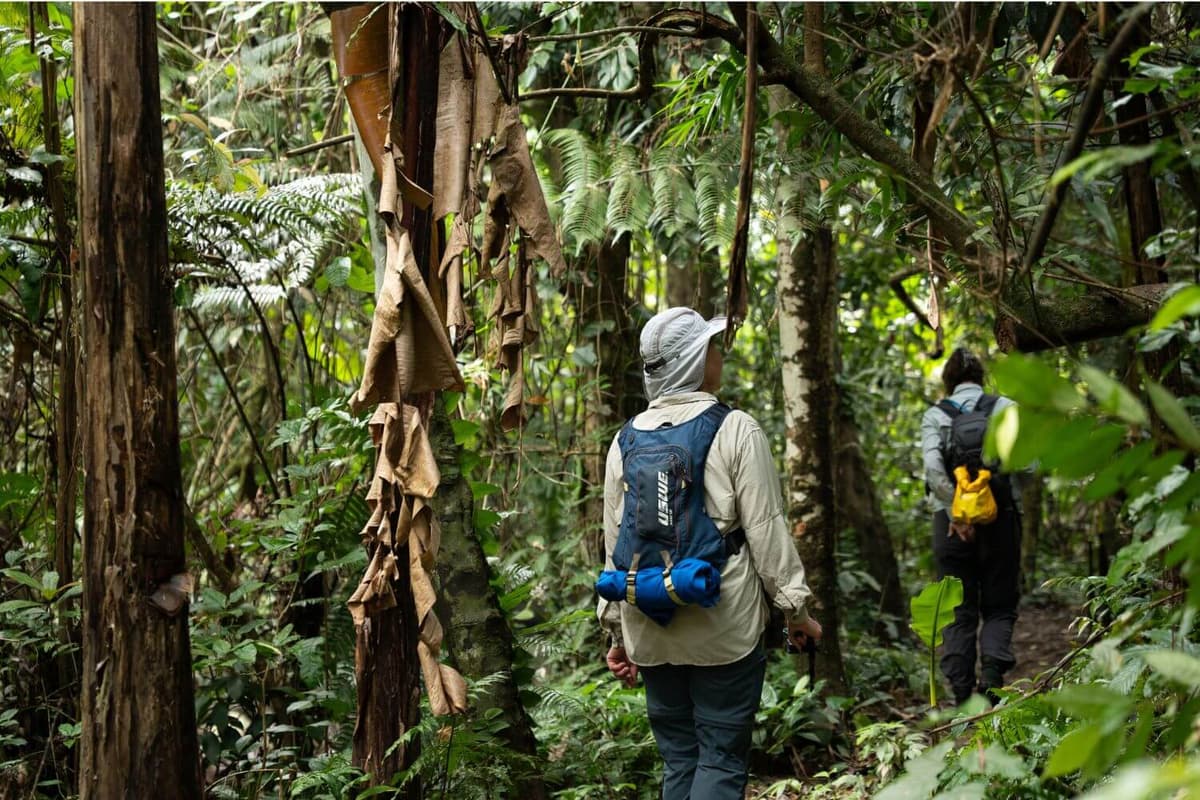
For day treks (10 – 20 liters): A small pack is more than enough to hold your water, snacks, a rain jacket, and a waterproof dry bag to protect your phone and camera during river crossings. Look for padded shoulder straps and a breathable back panel to reduce sweat.
For multi-day expeditions (over 20 liters): If you are staying overnight in the jungle, you will need a larger pack (around 25 to 35L) to fit extra clothes and camp sandals. Crucially, make sure it has a proper load-bearing system (a supportive hip belt and chest strap). This helps distribute the weight to your hips rather than pulling down on your shoulders during long hours of walking.
4. Swimwear
When figuring out what to pack for Phong Nha, swimwear is easy to overlook. After all, most people come here for the caves. But once you start planning your itinerary, you’ll quickly realize how often water becomes part of the adventure.
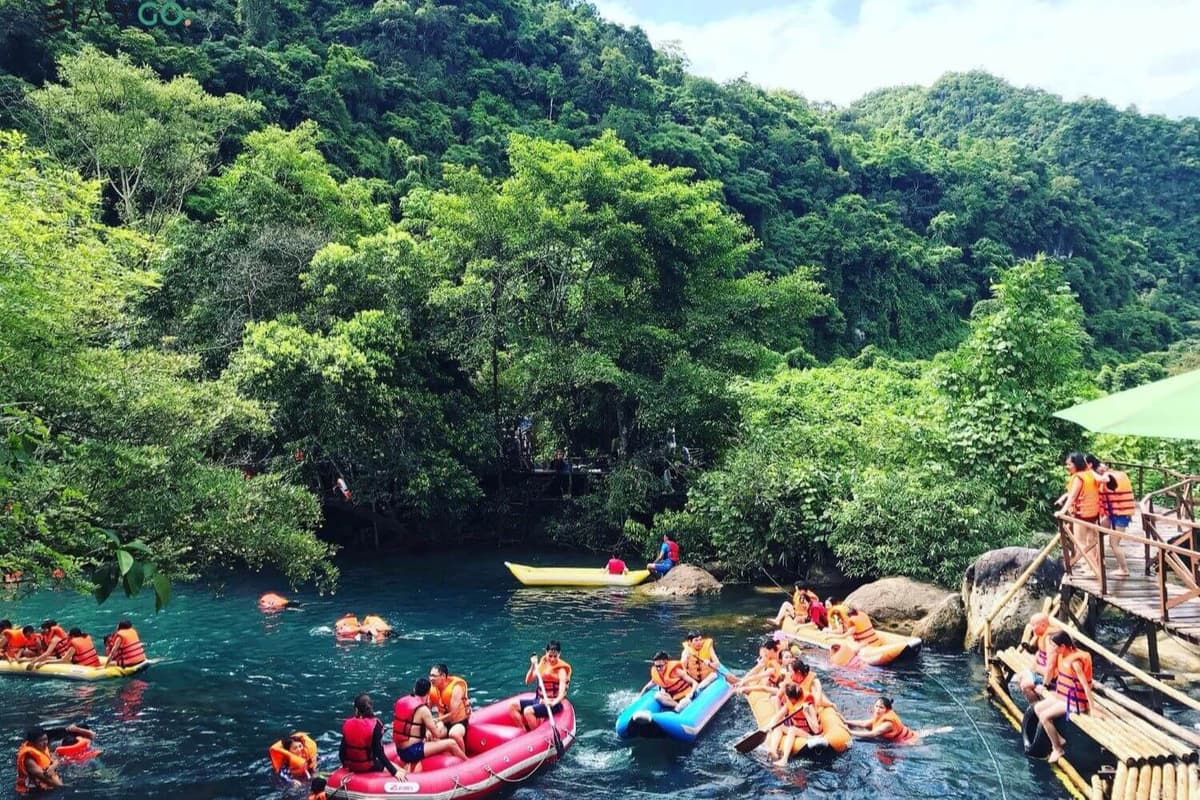
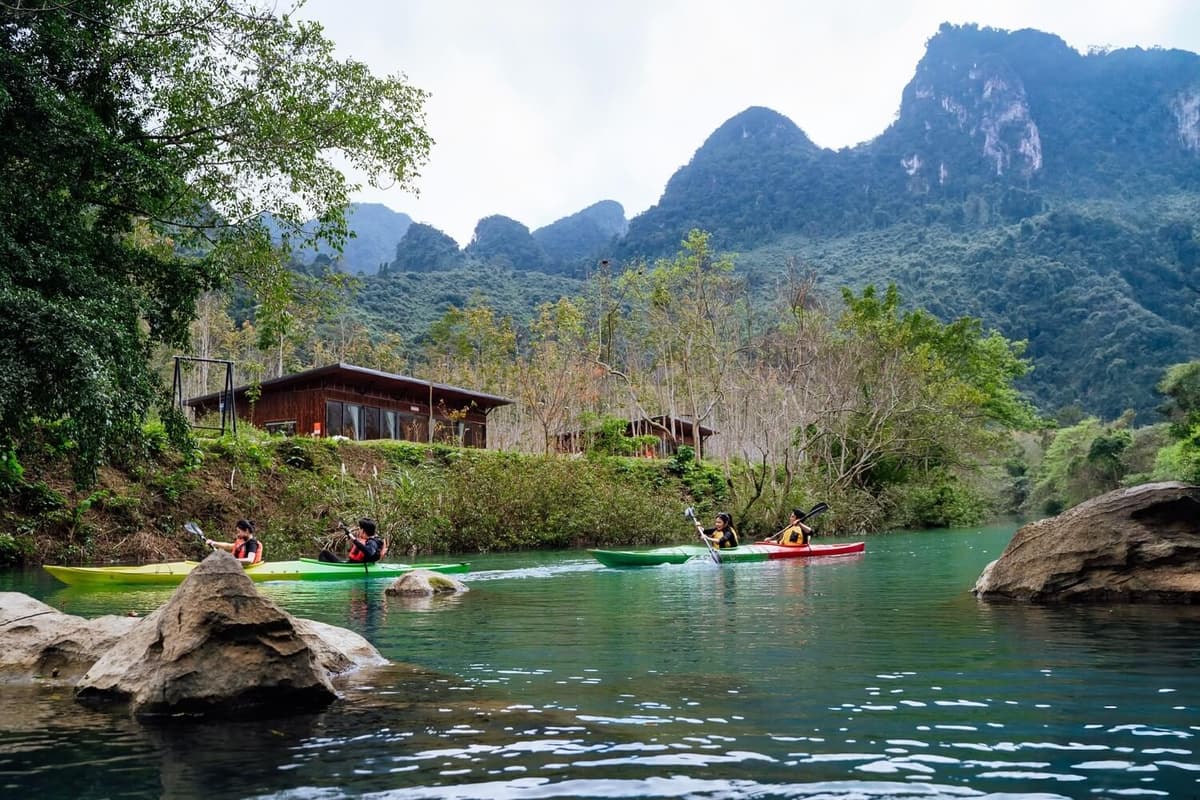
You might be ziplining and swimming at Chay River – Dark Cave, kayaking at Blue Diamond Retreat, floating in a natural stream during a cave expedition, or washing off the day’s sweat in the river beside a jungle campsite. On many trekking routes, a swim in cool freshwater is one of the highlights after hours on the trail.
There’s no need to bring anything fancy. Lightweight swimwear that is comfortable, easy to move in, and quick to dry will do the job perfectly. If Chay River – Dark Cave is on your list, remember to pack proper swimwear. Visitors entering the mud cave are required to wear a two-piece bikini for women and swim trunks for men. This helps preserve the quality of the mud and protects the cave’s delicate environment for future visitors.
5. Leech Socks and Insect Repellent
Don’t underestimate the power of a good pair of socks on this terrain. You will need long, thick socks for the trek. The thickness adds essential cushioning inside your trekking shoes, which is life-saving for preventing painful blisters and foot soreness after hours of walking on uneven karsts. Meanwhile, keeping your socks long and pulled up high creates a vital physical barrier against the jungle’s creepy crawlies, ranging from leeches and biting ants to centipedes or snakes hiding in the thick undergrowth.
When it comes to repellents, you don’t actually need to bring heavy, expensive imported sprays. Vietnam has some very cheap, highly effective local options that you can easily pick up at any local pharmacy or convenience store before heading to Phong Nha:
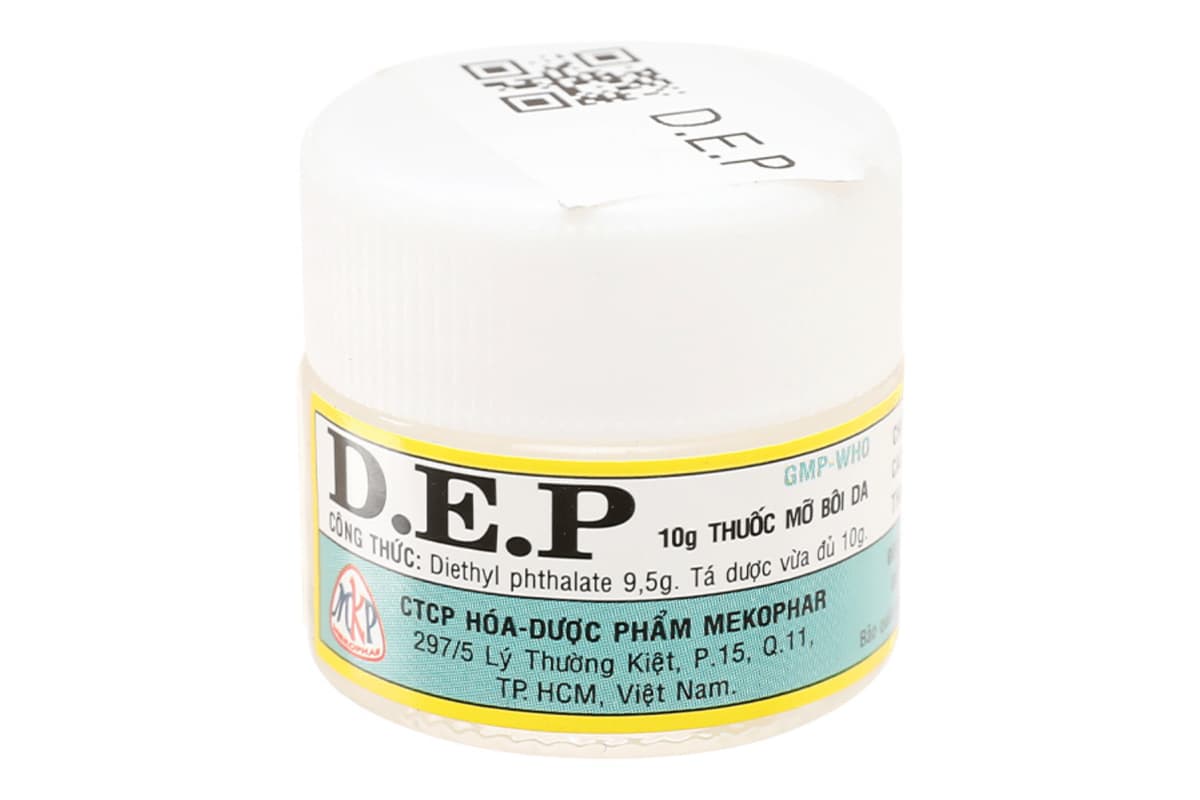
- DEP: A classic, dirt-cheap local ointment that works like magic specifically against leeches. Rubbing a bit of DEP around your shoes, ankles, or the lower part of your trousers will keep leeches from attaching to you.
- Remos: A popular local spray or cream with a pleasant scent, great for mosquitoes and ants.
- Soffell: It comes in a liquid spray or cream (the pink flower or orange scent are everywhere) and uses DEET to offer excellent, long-lasting protection against aggressive jungle mosquitoes.
- Off! (Deep Woods): If you prefer a heavy-duty option with a higher concentration of DEET for deep-jungle trekking, look for this brand in larger supermarkets or pharmacies in big cities before heading to Phong Nha.
6. Biodegradable Sunscreen
Phong Nha can be surprisingly sunny, especially during the dry season from March to August. Whether you’re trekking through the jungle, kayaking on the river, cycling around the countryside, or exploring cave entrances, you will likely spend several hours exposed to direct sunlight.
To stay protected, consider packing a biodegradable sunscreen. Many activities in Phong Nha involve swimming in natural waterways, from rivers such as the Chay River and Son River to underground cave pools and streams. Environmentally friendly sunscreen can help reduce the amount of chemicals released into these sensitive freshwater ecosystems while still providing effective protection from UV exposure.
8. Personal Medications
No matter what you plan to do in Phong Nha, don’t forget your personal medications. Many trekking and cave exploration routes take place far from towns, often involving long hikes, steep climbs, and hours in the jungle. If you regularly take prescription medication, make sure to pack enough for the entire trip, plus a little extra in case of travel delays or changes to your schedule.
It’s also worth bringing any medicines you commonly use, such as allergy tablets, motion sickness medication, or pain relievers. They don’t take up much space, and you’ll be glad to have them if you need them.
9. Cash
You won’t have much trouble finding an ATM in Đong Hoi or central Phong Nha. However, if your trip takes you beyond the main tourist area to places like Tan Hoa, Bong Lai Valley, or remote trekking locations, access to cash can become less predictable.
Bringing some cash is often the easiest option, especially for small purchases. Many local cafés, roadside stalls, family-run restaurants, and village shops still prefer cash, particularly in the countryside. Having a few smaller notes can also be helpful when buying drinks, snacks, or paying for small services along the way. You don’t need to carry a large amount, but it’s worth keeping enough for a day or two of expenses.
10. Personal Documents
While focusing on your trekking gear, don’t forget the boring but essential paperwork. Here is what you need to prepare and double-check before leaving:
- Passport & Visa (Double-check the Dates!): Ensure your passport has at least 6 months of validity. Most importantly, look closely at your visa duration and expiry date. Vietnam is very strict about visa overstays, so make sure your visa easily covers your entire trekking itinerary plus a few buffer days.
- Backup your documents: Keep physical copies of your passport and tour bookings in a waterproof bag inside your backpack. Also, save digital scans on your phone and cloud storage (Google Drive or iCloud) so you can access them offline if your bags get lost or wet.
- Travel Insurance: Make sure your insurance policy actually covers “adventure sports,” “trekking,” or “caving”, many standard travel insurances exclude these activities.
- Share your itinerary: Phong Nha’s deep jungles and caves have zero cell service. Before you head out, leave your tour details, itinerary, and emergency contacts with a family member or a friend back home.
11. Power Bank
A power bank may not seem like essential trekking gear, but you’ll be glad to have one once you’re away from town. Many cave expeditions in Phong Nha venture deep into the jungle, and some involve overnight stays at remote campsites where electricity is unavailable.
If you plan to use your phone for photos, videos, navigation, or simply keeping a record of your adventure, battery life can disappear faster than expected. This is especially true on multi-day trips when charging opportunities may not be available until you return to the main village.
Besides, consider carrying a small waterproof dry bag inside your backpack to protect electronics, travel documents, and spare clothing during river crossings and cave activities.
12. Waterproof Phone Pouch
If you’re planning to visit places such as Mooc Spring, Chay River – Dark Cave, Ozo Park, or join a cave expedition, a waterproof phone pouch is worth bringing. Many activities in Phong Nha involve rivers, streams, swimming, or water crossings, where phones can easily get wet or accidentally dropped into the water. Lightweight and inexpensive, a waterproof pouch helps protect your phone while still allowing you to take photos and videos throughout the adventure.
Seasonal Packing Checklist for Phong Nha
A well-planned Phong Nha packing list can vary depending on the season and the best time to visit Phong Nha. Here’s what to bring at different times of the year.
Dry season (March to August)
The dry season is the most popular time for trekking and cave exploration in Phong Nha, but it can also be surprisingly hot. Temperatures often rise above 35°C, especially on exposed trails and during midday activities.
Consider packing:
- UV-protection clothing or a lightweight sun shirt
- A wide-brim hat
- A portable mini fan: A small, rechargeable USB pocket fan or even a simple folding hand fan
- Sunglasses
- A reusable water bottle
- Electrolyte tablets or hydration salts
- A lightweight buff or sun scarf
Rainy season (September to February)
Rain can arrive suddenly during this time of year, and trails often become wetter and muddier. Temperatures are generally cooler, particularly in the evenings and after heavy rain.
Consider packing:
- A rain jacket or waterproof shell
- A backpack rain cover
- A waterproof phone pouch
- A lightweight insulating layer
- One complete set of dry clothes
- Lightweight sandals for use after trekking
Besides personal clothing and accessories, some specialized cave trekking gear is usually provided by Phong Nha adventure tour operators. If you’re joining a guided cave expedition, most technical equipment is usually provided by the tour operator. This often includes helmets, gloves, life jackets, and a headlamp for caving, which is essential for navigating underground passages safely.
Common Packing Mistakes for Phong Nha Trekking
Choosing waterproof shoes and slow-drying clothing
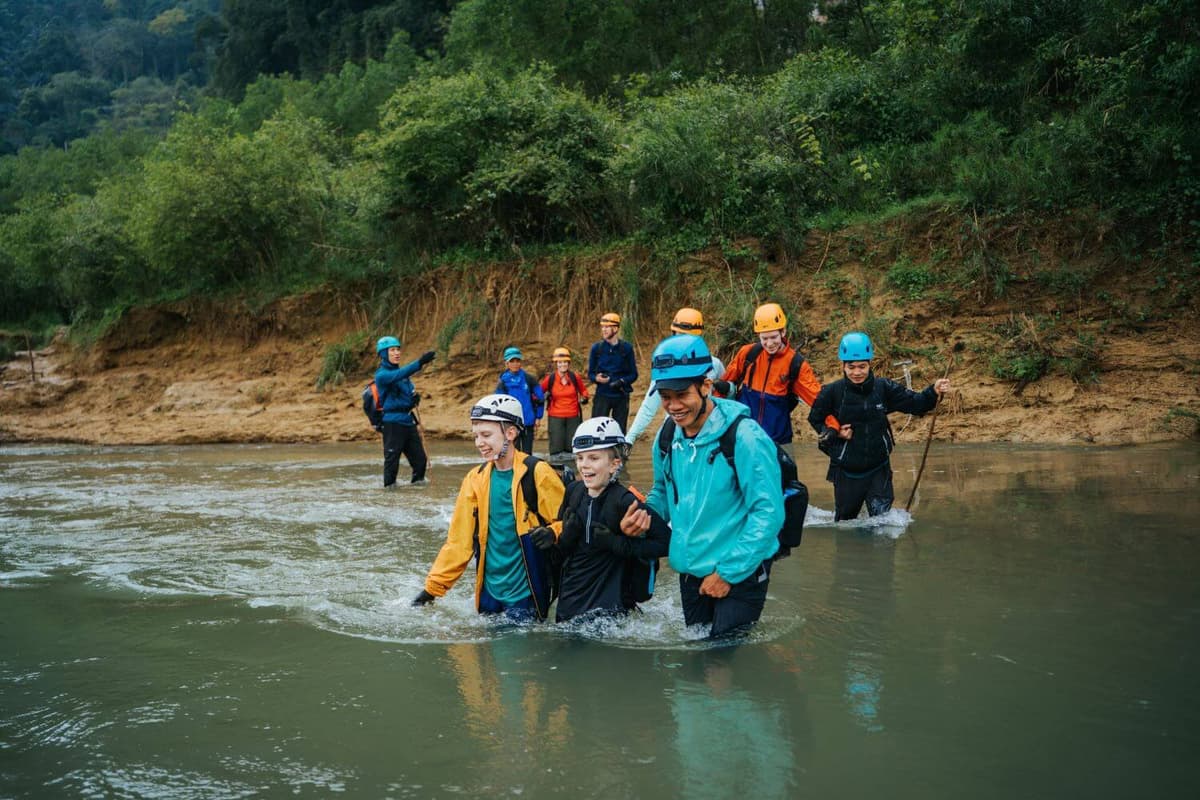
Many first-time trekkers assume waterproof gear is always the best option. In Phong Nha, however, stream crossings, cave swimming, and tropical humidity mean you’ll probably get wet at some point. Once water gets inside waterproof shoes or cotton clothing, they can stay wet and uncomfortable for hours. Quick-drying shoes and clothing are usually the more practical choice. Investing in the right cave trekking gear from the start can help you avoid many of the comfort and safety issues first-time trekkers encounter.
Bringing expensive jewelry and fashion accessories
Another common mistake is bringing valuables that are easy to lose. Activities in Phong Nha often involve kayaking, swimming, stream crossings, and scrambling over slippery rocks, where rings, necklaces, bracelets, and sunglasses can easily fall off without you noticing.
If something ends up in a river or an underground cave pool, the chances of getting it back are usually very slim. It’s best to leave expensive accessories at home and focus on gear that’s designed for adventure rather than style.
Carrying too much cash
Many travelers bring more cash than they actually need. While cash is useful in rural parts of Phong Nha, carrying a large amount can be inconvenient and increases the risk of losing it while moving between hotels, tours, and attractions. A better approach is to carry enough for daily expenses and withdraw more if needed.
Phong Nha is more than just caves. After days spent trekking through the jungle or exploring underground rivers, consider slowing down and experiencing a different side of the region. You can relax at Blue Diamond Retreat, stay in a riverside jungle bungalow, kayak along the peaceful Blue Stream, cycle through quiet villages, and discover the local culture and cuisine that make this area so special.
With the right preparation, you’ll be able to spend less time worrying about your gear and more time enjoying the adventure. We hope this Phong Nha packing list helps you arrive fully prepared and make the most of your adventure.